


Connection types
Provide you with information on the different types of heating heater compounds that are important elements in many industrial and household applications. One of the important criteria determining the efficiency of heating heaters is the type of connection used for their installation. Depending on the device and required characteristics, different types of connections are available. When choosing the type of connection for heating heaters it is necessary to take into account the requirements of your device, the operating temperature, the environment in which the heater will be used, as well as safety and economy factors.
Our company offers a wide range of heating heaters for various industrial needs. We are ready to help you choose the most suitable connection type and provide high quality products to effectively provide heating in your systems. Do not hesitate to contact us with any questions and inquiries. We are happy to be your reliable partners in the field of heating technology.
Types of connection of strip and band electric heaters
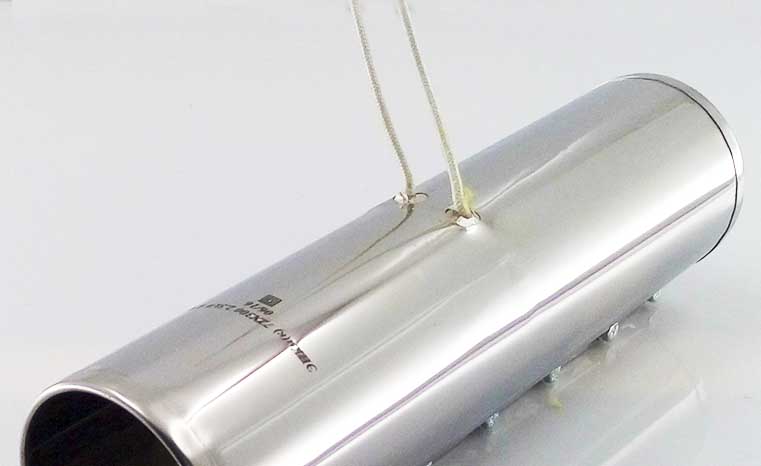
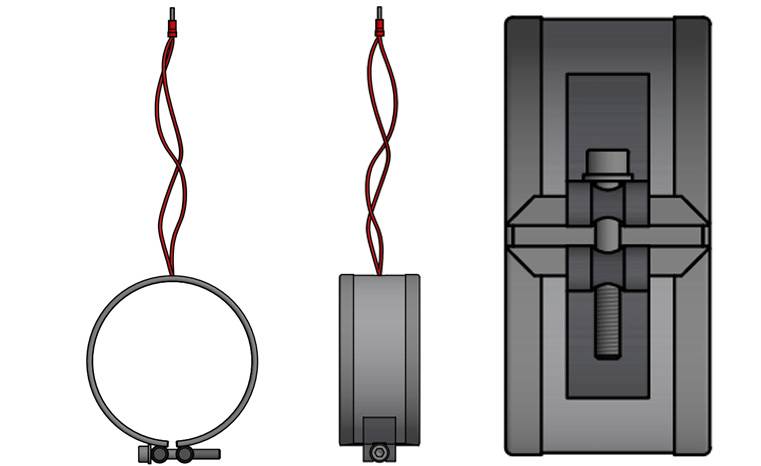
1. Heat resistant wires
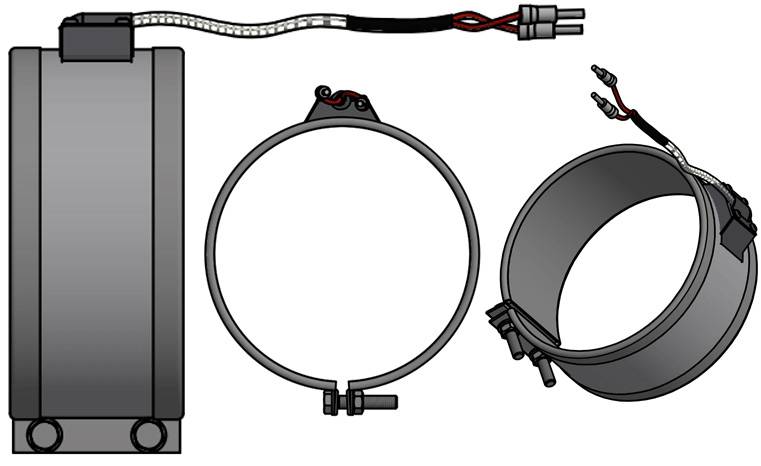
Heat-resistant terminals are designed for a temperature load of 250°С—600°С. This type of leads can be additionally equipped with additional insulation: silicone cambric or ceramic beads. The wire from the heating device can be led vertically or through the thickness of the heater.
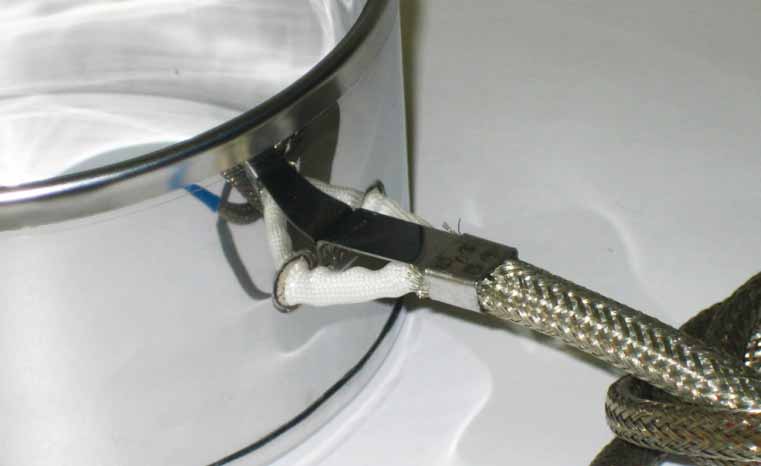
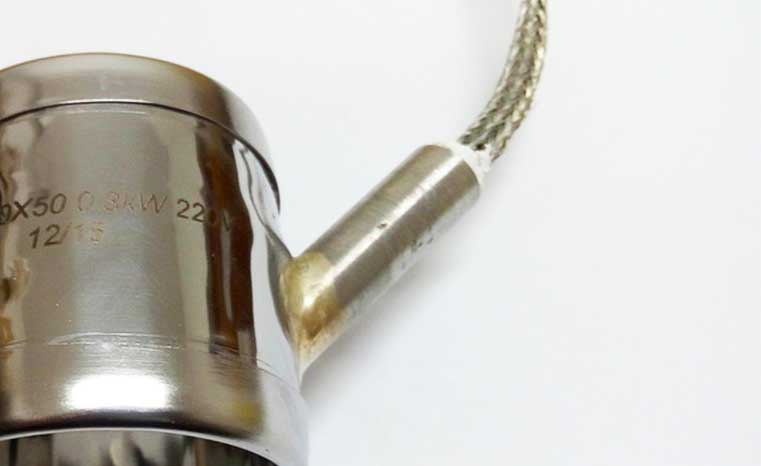
2. Sheathed wire
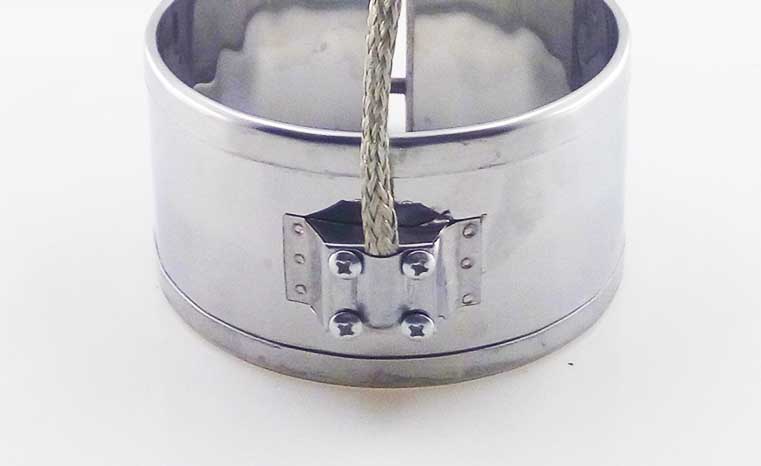
The heat-resistant terminal, enclosed in a protective metal braid, withstands a temperature load of 250°C—600°C. This category of conductive terminals is resistant to bending and mechanical damage. Also, the wire has a fixing leg. Easy to use and characterized by a high level of wear resistance.



5. Ceramic terminal block
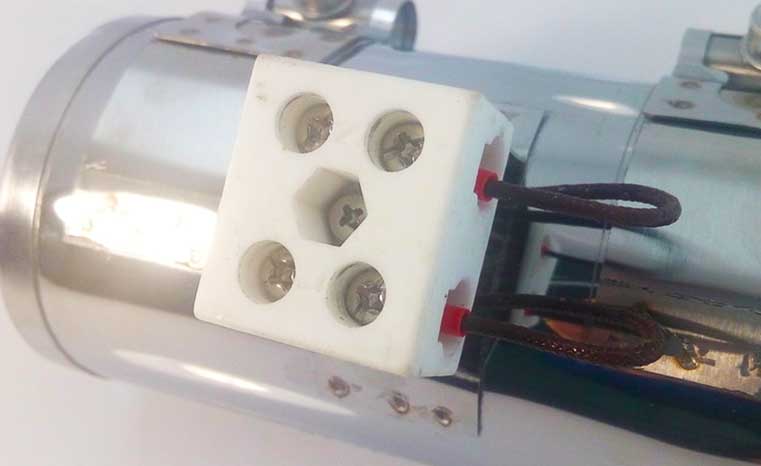
The heat-resistant ceramic block is an excellent conductor of current, therefore it is often used when connecting heaters. This type of conductor has a U-shaped leg. It is connected to the heater with a nickel wire. Withstands high temperatures and has high wear resistance.
6. Terminal block in a box
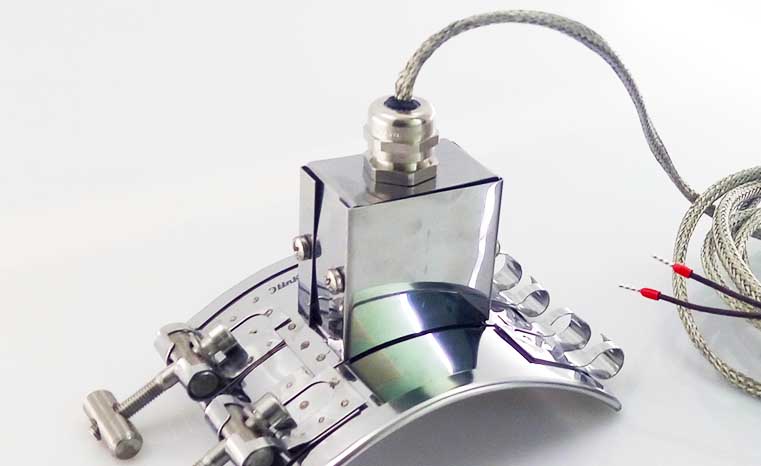
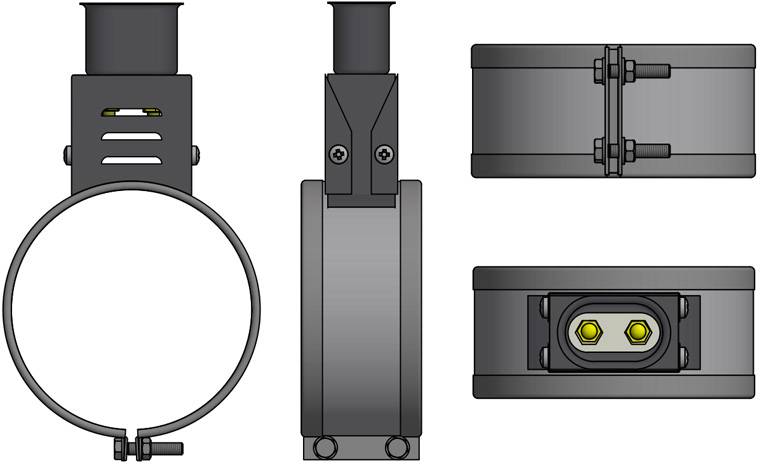
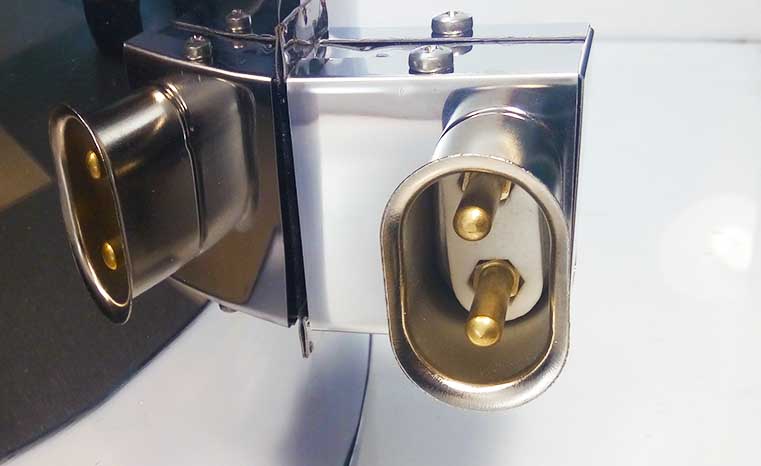
Ceramic block for connecting the conductor. The block is protected by a metal casing. The terminal has a high level of heat resistance and good flexibility. At the same time, the output wire is enclosed in a metal braid and passes through a specially designated channel for cables. The location can be: radial, axial and tangential.

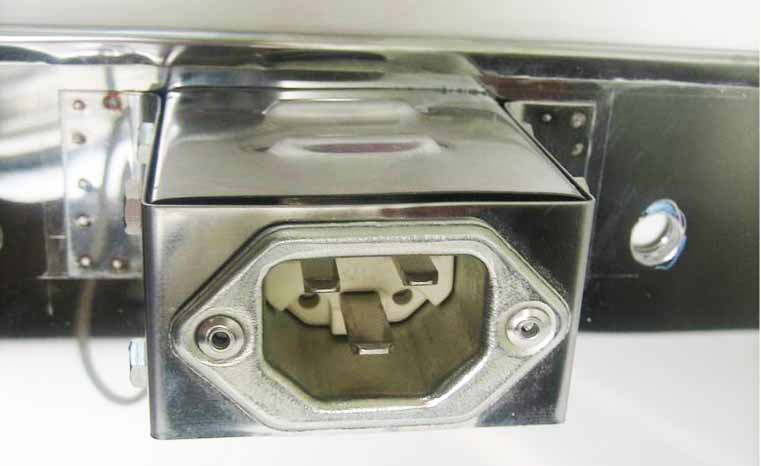
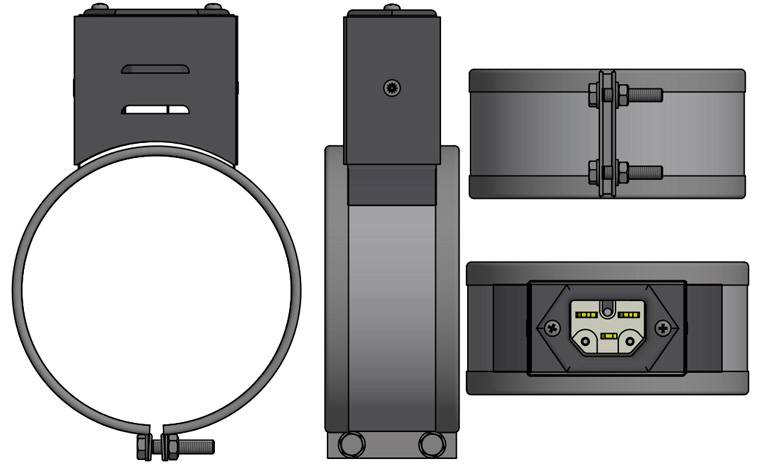

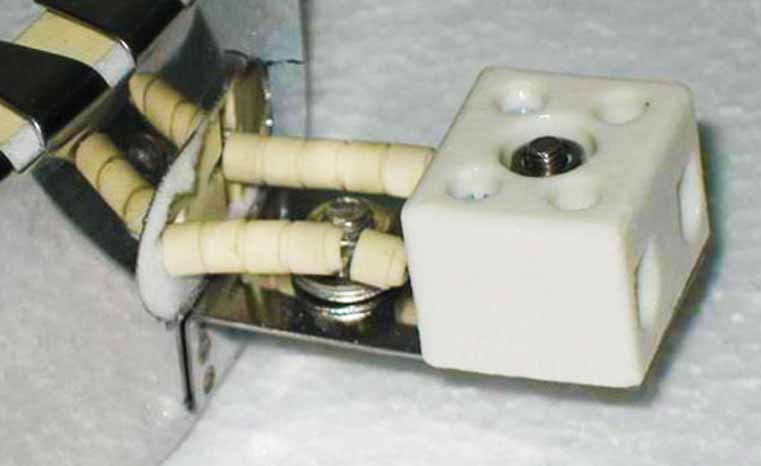
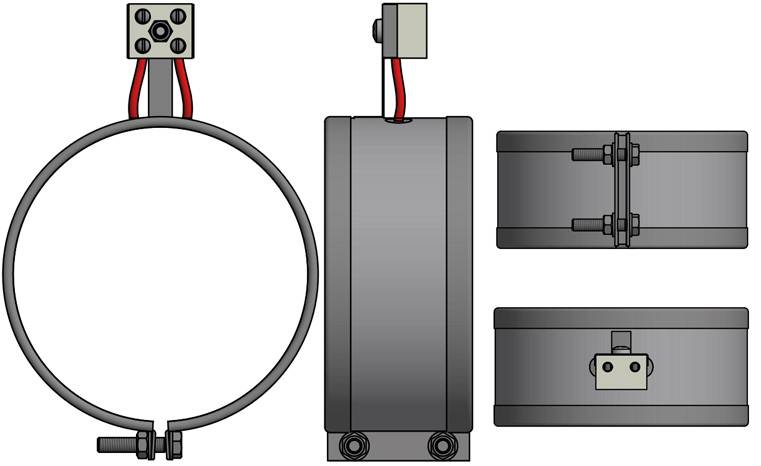
11. Terminal block on a remote leg
Ceramic block on a portable leg. It is connected to the heating element with a nickel wire. The location can be: radial, axial or tangential. It perfectly performs its functions regardless of the influence of environmental factors, but requires minimization of possible mechanical influences.
12. Other type on request
Type of conclusions under the customer’s order. This category includes possible output options that you did not meet in the list, but wish to purchase them individually. When ordering a non-standard current lead, be sure to specify all your wishes in order to get the most accurate product.

Connection types for cartridge heating elements
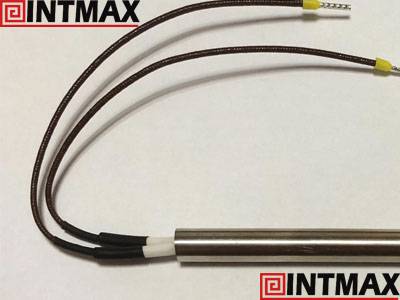
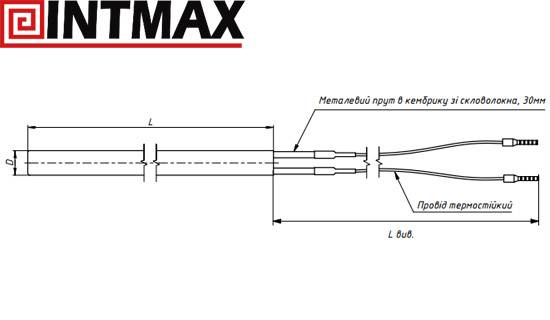
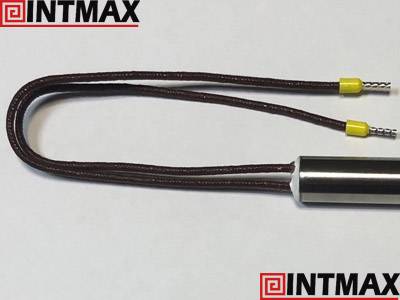
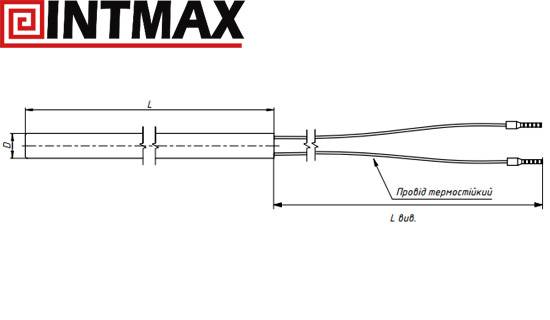
2. Wire output amplification
Heat-resistant cable for connection of the nickel cable chamber with stiffening element. This element is necessary for protection against bending. This type of output also has a fixed length, but may have a different value if necessary. This type of output can be used to determine the temperature.
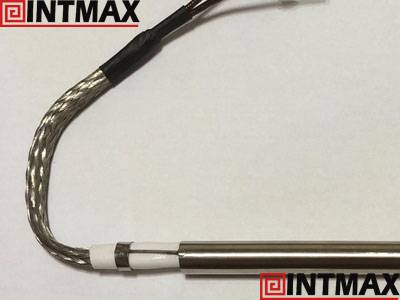
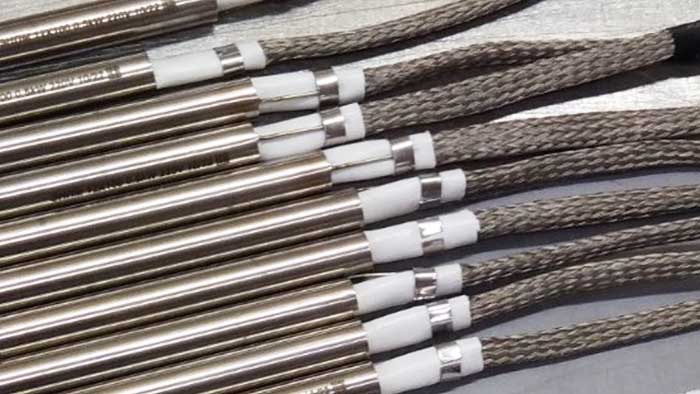
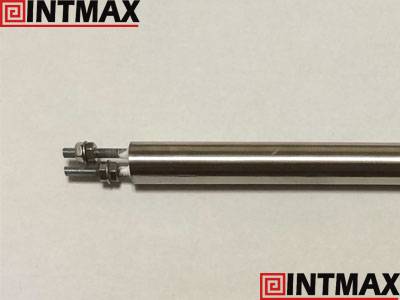
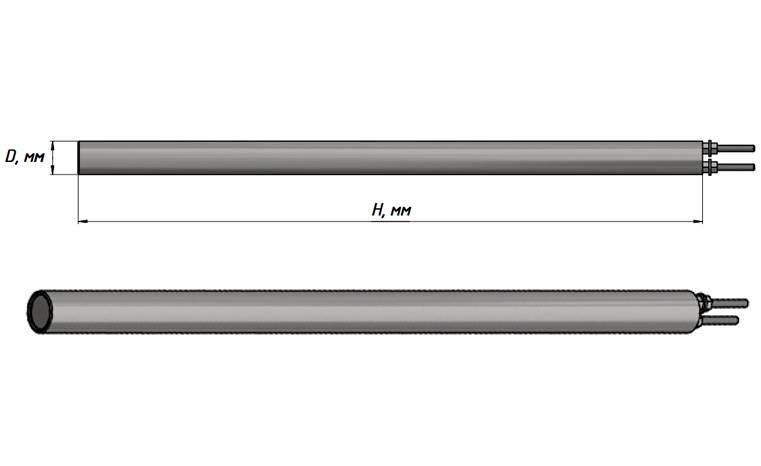
4. Angled output
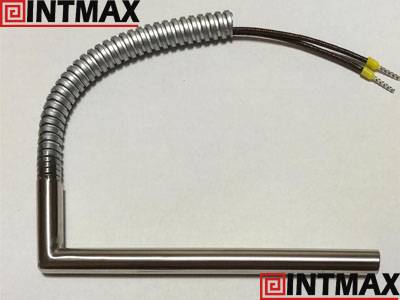
Heat resistant nickel conductor in contra-angle. An excellent option for chambers operating under constant vibration or under conditions of periodic mechanical stress. According to the standard, its length is 20 cm. In addition to lengthening the wire on order, it can be enclosed in a metal braid, metal corrugation or silicone tube.

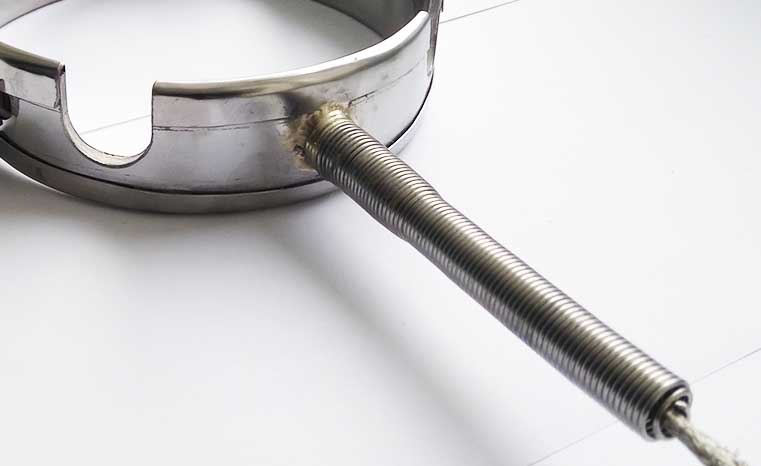
5.Output protection with spring
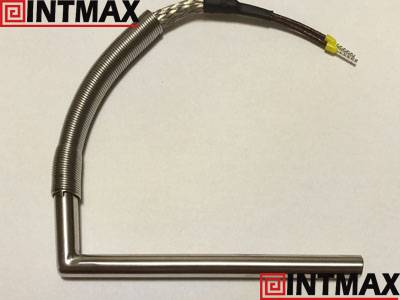
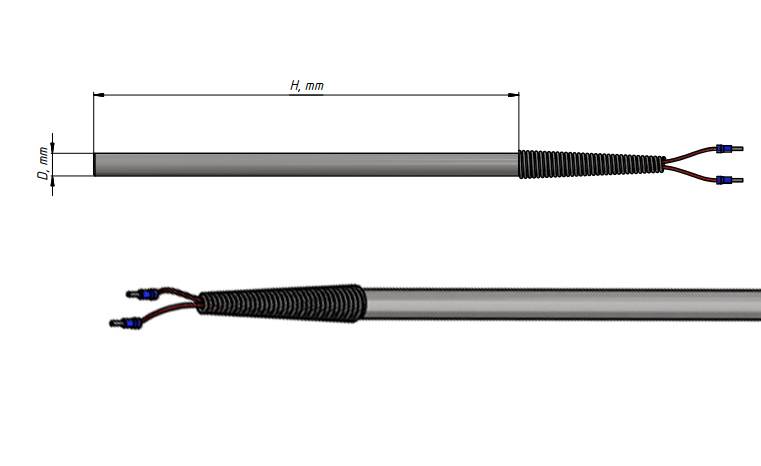
Wire with nickel steel spring. Possesses high resistance to thermal loadings. It has additional protection preventing bends, creases and other mechanical damage. For chambers with a diameter of less than 14 mm. Standard lead length is 200 mm (wire length may be different on request).

10. On request other type
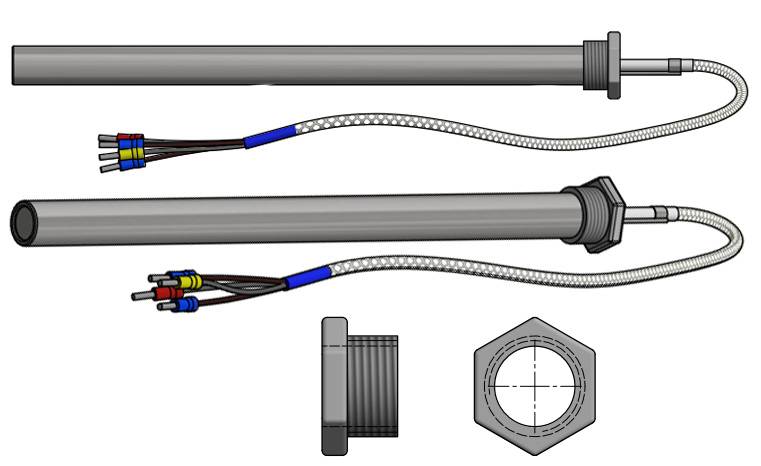
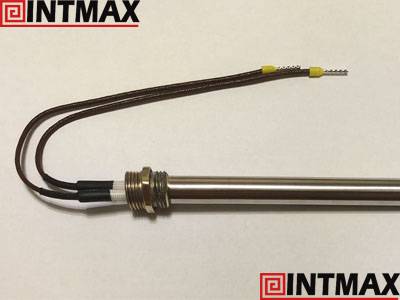
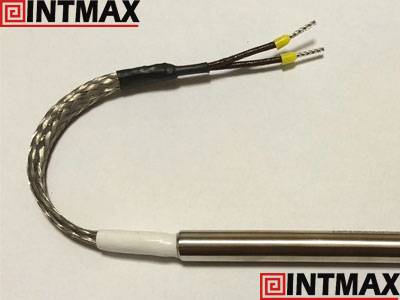
The presented type of conclusions for the chamber has proven itself in constant operation in a vibrating environment. The current conductor has special protection against bends and breaks. Increased protection due to the use of thermal paper and silicone braid.