


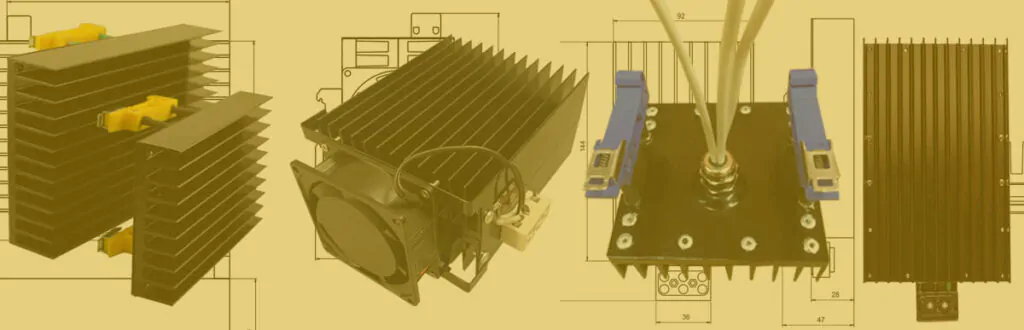
For automation, control of various technological processes at enterprises used various electrical equipment, devices installed in special cells – automation cabinets. The problem is that in most cases they are designed to restrict access and only then to protect the equipment installed in them from negative environmental factors. If the cabinet is installed in a heated room with a stable humidity value, this is not a problem. Another thing, if the automation cabinets are located on the street or in the unheated room, and it is not protected from excessive temperature reduction.
Factors affecting the temperature inside the automation cabinet
The temperature inside the outdoors automation cabinet is primarily influenced by the environment. Especially dangerous are sudden temperature fluctuations in winter, when in just a few hours it can drop 10 degrees or more. The problem is that during operation electrical equipment emits a certain amount of heat. When the temperature drops dramatically, this creates a risk of condensation on the cabinet itself and on the electrical components installed therein. This situation can lead to short circuit and complete failure of the entire automation cabinet.
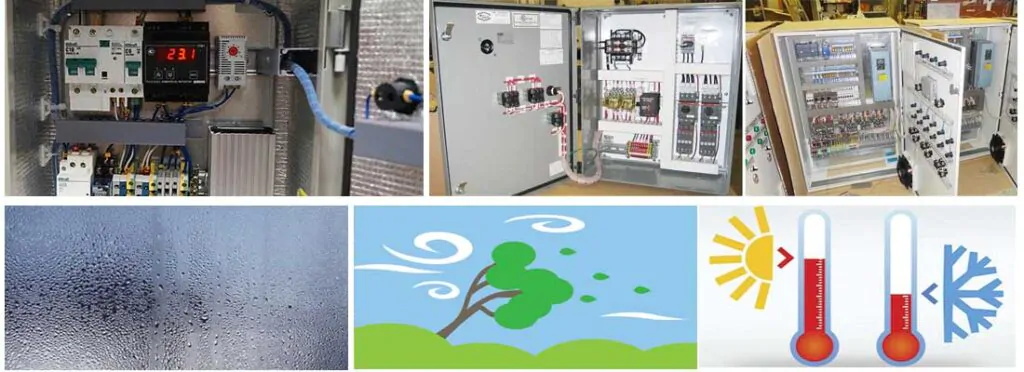
In addition to ambient temperature conditions, the microclimate inside the automation cabinets is strongly influenced by wind. When in contact with metal parts of the cabinet, the wind accelerates heat exchange, thereby increasing the freezing. If the equipment is poorly insulated and the outside is windy, a condensate is formed instantly on the equipment installed inside.
Air humidity is of great importance for the state of electrical equipment inside automation cabinets. The reason is that in case of high humidity and frost, the metal freezes more intensively, correspondingly, more cold penetrates inside.
What happens to electrical equipment at low temperatures
When the electrical equipment installed in the automation cabinets is exposed to low temperatures, there may be failures or even complete failure of the electronics. Low temperatures can cause shrinkage, deformation of components and deterioration of contacts. Subsequently, the latter start to overheat, causing the connection to break, accidents and the whole process to stop.
Extremely low temperatures adversely affect the state of lubricants used for sliding and mobility of mechanical components of electrical equipment. Oils can become thick and viscous, resulting in reduced performance or even failure. Prolonged exposure to low temperatures adversely affects wiring insulation: it becomes more fragile. The probability of its damage and short-circuiting is increased.
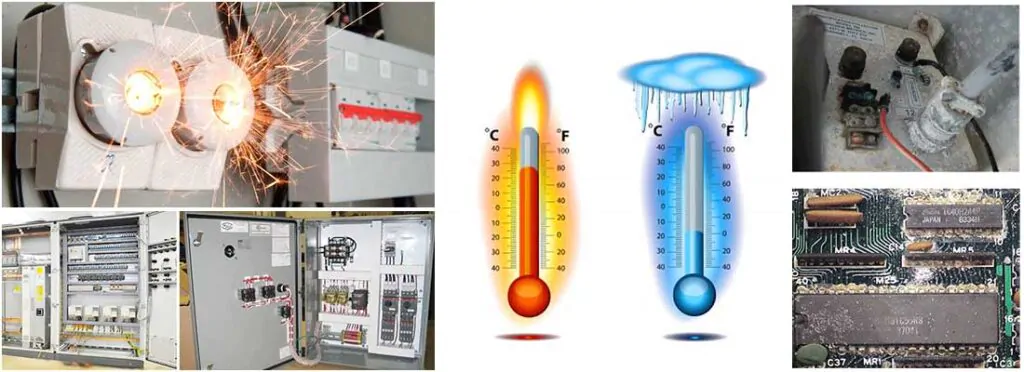
Installed inside the cabinet of automatics plastic components, such as cable ties, clamps can become more rigid and brittle. Their damage does not necessarily lead to the failure of the automation cabinet, but will greatly complicate maintenance. And the condensate accelerates the corrosion of metal parts.
If sensitive equipment is installed inside the automation cabinet, frost directly affects its operation. At lower temperatures, the resistance of the wire can change, resulting in distortion of sensors and other measuring devices.
What are the methods of protection of automation cabinets against sub-zero temperatures?
Automation cabinets contain important electrical and electronic components that are responsible for the continuity of industrial processes. It is therefore important to maintain normal temperature levels inside.
The first step in reducing the low temperatures inside the automation cabinet is its thermal insulation. The use of dielectric insulation materials ensures that the heat generated by electrical components does not go outside, but is used for heating
At the same time, it is not necessary to perform a capital insulation of the cabinet from the inside, so that, when summer comes, to think about ways of removing the already excess heat. It is possible to construct temporary outdoor insulation of glass fibre or basalt plate, which are considered to be fire-resistant materials. It is allowed to install a fan that amplifies the air circulation, distributing heat evenly throughout the volume of the cabinet. This is especially true for large automation cabinets where overheating points may be present. The fan can also help prevent condensation.
It is recommended to install electrical cabinet heaters to ensure normal operating temperatures. They are selected based on the size of the automation cabinet and the type of electrical equipment installed therein
Types and features of heaters of automation cabinets
Automation cabinet heaters are used to adjust and maintain the temperature inside the automation cabinet. They protect the equipment from damage caused by excessive cooling under sub-zero ambient temperatures.
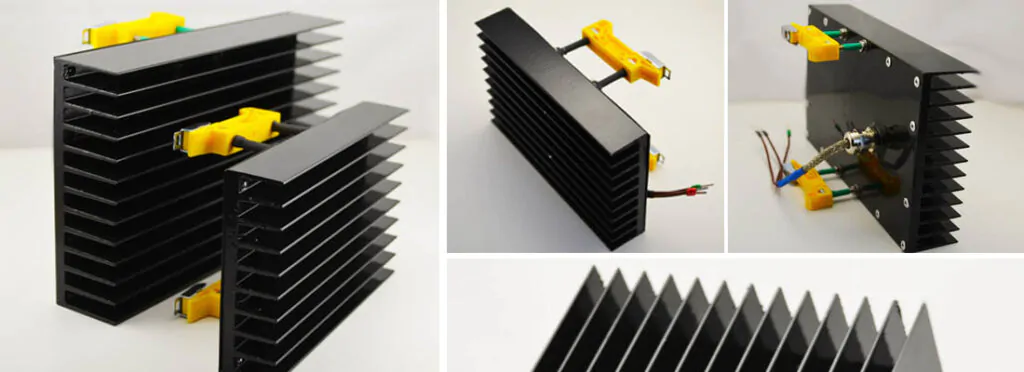
As a rule, heaters made of materials that can withstand harsh industrial conditions are used for heating the panel. For example, stainless steel or aluminum. The type of material used depends on the design of the automation cabinet itself and the environment. There are several types of heating elements that are used in the heaters of automation cabinets:
- Resistive. They are made of wire with high resistivity, which, when electric current passes through it, begins to radiate heat. These are the most common and inexpensive types of heating elements used in automatic heaters.
- PTC (Positive Temperature Co-efficient). These are heating elements with positive temperature coefficient. They are made of ceramic materials that have high resistance at low temperatures and low resistance at high. As the temperature in the automation cabinet increases, the resistance of the heating element decreases, allowing it to emit heat. The heating elements themselves are called posistors.
In addition to the material of the housing and heating element, heaters for automation cabinets differ in the principle of propagation of heated air. Among the most popular among consumers are heating heaters. Fan heaters are designed for uniform air circulation and distribution inside the body of the panel equipment. Structurally they are radiators with a heating element inside and a fan outside.
There are convection heaters. They work on the principle of natural convection of air inside the automation cabinet. When the air is heated, it becomes lighter and rises to the top, being replaced by colder. As a result, there is a natural movement of air flows, which maintain a constant temperature inside the shield.
In addition to the standard types of heaters, there are also various modifications. For example, devices supplied with a thermostat to control the temperature inside the housing. Others may include a timer or programmable controller to provide more accurate control of the heating system of the automation cabinets. Various accessories can be added to the heating systems of the automation cabinets. These include filters designed to prevent dust and other pollutants from entering the cabinet.
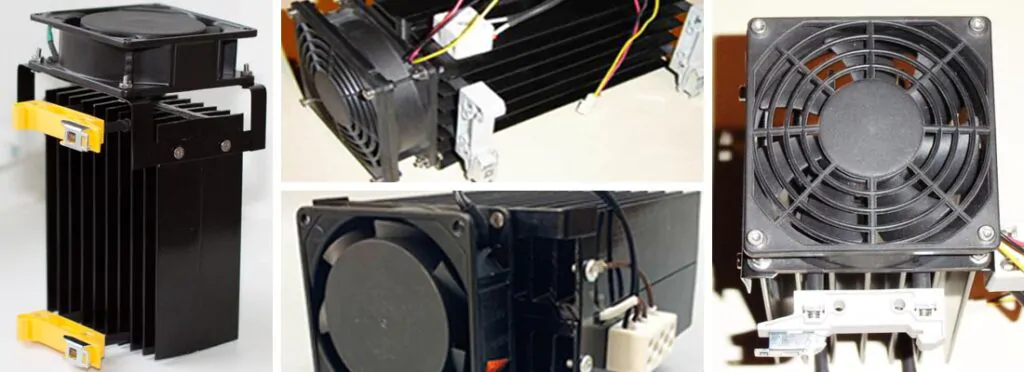
If you want to ensure that the electrical appliances available at your enterprise or responsible site in winter work steadily, the presence of heaters inside the automation cabinets is mandatory. They protect sensitive equipment from damage caused by excessive temperature drop and extend its useful life.
Why you need to choose electric cabinet heaters «INTMAX»
When ordering a heater for electrical cabinets, be careful that these devices do not become a source of malfunctions and subsequent failure of all equipment of the automation cabinet. Buy devices from the direct manufacturer – the company «INTMAX GROUP.
The company provides its customers with the following advantages:
- Range. “INTMAX” offers a wide range of resistive heaters of various shapes and sizes to meet specific needs. The company catalog includes models with thermostats and fans to ensure uniform heat distribution throughout the cabinet. There are heaters of standard sizes, but on request the engineers of the company will develop the equipment on individual drawings.
- Economy. Heaters “INTMAX” are energy efficient, consume a minimum of electricity. This means that you can save money on electricity by getting a stable temperature in the cabinets.
- Durability and reliability. Heaters are made of high-quality materials and are designed for operation in all operating conditions. They are used in the chemical industry, metallurgy, energy and related industries, where there are special requirements for the reliability of automation and power supply devices.
- Safety. The equipment is designed with safety in mind. The heaters have built-in thermal protection to prevent overheating, made of fire resistant materials to prevent any potential fire hazard.
The company provides customer support. Here work competent engineers ready to help choose the right heater for specific needs. In case of need you can contact “INTMAX” for development and implementation of the project of installation of heating equipment at your enterprise turnkey.