


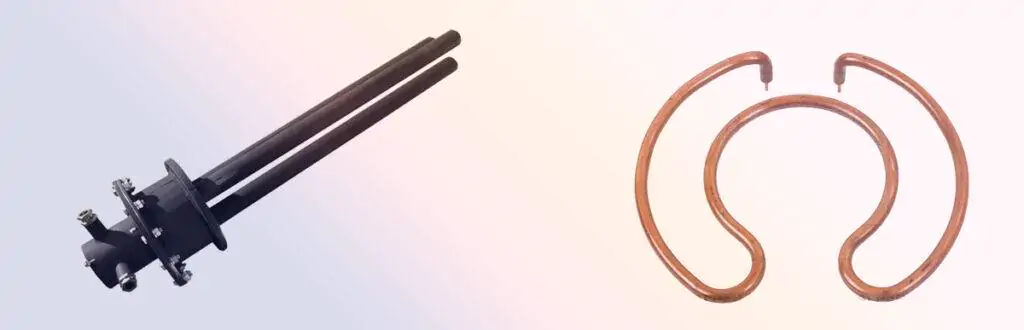
Selection of the heating element is an important engineering task, which directly affects the efficiency and reliability of the electric heating system. Mistakes when buying thermal devices can stop the technological process, putting the equipment out of operation. To avoid this, you need to take into account the peculiarities of application and requirements for the parameters of heaters. Consider the main factors that need to be taken into account depending on the conditions of application.
How to select an electric heater for different types of media
Air, fluid and viscous liquids, solid masses have to be heated. For each medium there are separate conditions for the selection of heating elements.

Water heating
Water is one of the most common heat carriers and heated media in households and industry. For its qualitative and safe heating it is necessary to take into account a number of important:
1. The material of the body should have high corrosion resistance, the best option – stainless steel of 12Х18Н10Т or 10Х17Н13М2Т grades. For particularly demanding systems it is possible to use expensive titanium. Ceramic analogs are popular, which last 1.5-2 times longer than metal ones.
2. Heating element is most often made of nichrome wire with a diameter of 3-6 millimeters, less often used kanthal or nickel-based alloys. Nichrome is optimal in terms of cost and efficiency.
3. The length and diameter of the working part of the heating element should correspond to the volume of the heated container with a reserve of 10-15% for uniform heating.
4. For tanks of large volume, powerful heating elements with several heating elements combined in blocks of 2-4 pieces are used.
5. It is recommended to provide finning of the heating element housing to increase the heat transfer surface.
Depending on acid-alkaline parameters of liquids and values of specific power it is suggested to manufacture heaters from heat-resistant, carbon steel, chalk, brass, aluminum alloys.
Air heating
Such air heating is relevant for ventilation systems, drying systems, heat guns and many other tasks. The condition of the air, the thermal index on the surface of the heater shell, the specific power of the heating device (up to 5 W/cm2 – for air in a calm state, up to 13 W/cm2 – for a moving medium) are taken into account. The main factors in selecting products for heating air:
1. Heaters with an open heating coil arrangement are used, which provides maximum heat transfer into the air stream.
2. Heating elements made of heat-resistant alloys with high corrosion resistance are preferred.
3. It is possible to use special flexible structures on silicon-organic base. They are convenient for localized heating and complex surfaces.
4. It is important to ensure optimal heat exchange with the air flow by selecting the arrangement of heating elements.
To protect against oxidation, the open coil is placed in a stainless steel protective casing.
Viscous media
When choosing devices for raising the temperature of oils, petroleum products, bitumen, paints, varnishes, pay attention to such indicators.
1. The body of the heater must withstand the impact of the working environment at elevated temperatures, alloy steels or alloys are used.
The heater must have enhanced mechanical strength – viscous media create increased mechanical stress on the structure.
2. It is recommended to use heaters with increased area of heat exchange surface due to finned body.
3. Flange-type products that allow disassembly are optimal for cleaning the surface from deposits.
3. special brackets or supports should be provided to fix the heating elements in the vessel with viscous media.
Competent selection taking into account the peculiarities of viscous media will ensure efficient and reliable heating in the technological process.
Aggressive media
A special approach is required to select devices that will be operated in aggressive media: acids, alkalis, petroleum products and so on. The key points are as follows.
1. The material of the housing should have maximum resistance to a particular aggressive environment. Expensive alloys based on titanium, tantalum, platinum are often used.
2. Seals and electrical insulation are able to withstand the impact of the working environment at elevated temperatures. Fluoroplastic, glass enamels, ceramics are used.
3. Flanged mounting of heating elements is recommended to enable disassembly and cleaning of deposits.
4. It is necessary to provide increased mechanical strength of heating elements.
The units can be coated with various protective coatings such as fluoroplastic, ceramic or Teflon to help protect against corrosion and increase its service life.
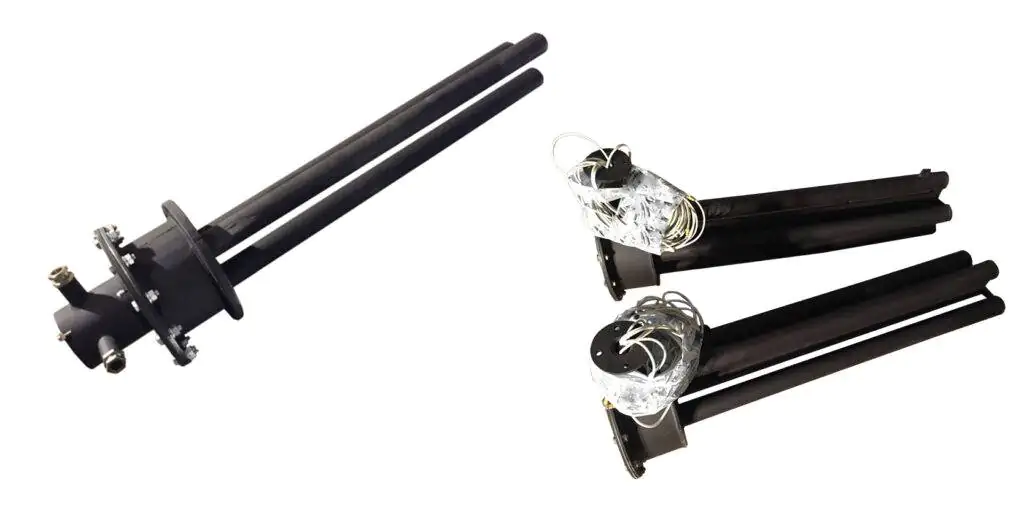
Main differences in the selection of heating elements for industrial and domestic applications
Heating processes differ in purpose, scale and regularity. If a boiler, for example, is not used every minute at home, then baking bread, making plastic, firing bricks take place around the clock. Therefore, the requirements for heating elements will also be different for ordinary users and industry processes.
- Power. For industry, heaters from 10 to 100 kW are used. In households, analogs with a power of 0.5-3 kW are used.
- Operation resource. Industrial devices are designed for long-term continuous operation – up to 80 000-100 000 hours. Household versions usually last up to 5,000 hours.
- Construction. TENs have a more durable stainless steel housing, household ones are more often made of aluminum alloy.
- Fixing. In industry, flange fixing is used, in households – threaded.
- Automation. Industrial products are equipped with sensors, thermoregulators, protection against overheating. In households it is optional.
- Cost. The price of heaters at large facilities is much higher due to increased requirements for the quality of components and assembly.
Industrial heaters are designed for intensive work in difficult conditions, and household heaters are used to solve simple problems in appliances of small capacity (boiler, washing machine, kitchen stove).
What are intelligent control systems for heating elements?
Optimization of the operation of heaters in order to adjust their cost and increase the productivity of work along with the automation of functioning is an important task for the developers of heating systems. Positive aspects include:
– control of humidity values, temperature, duration of process operation;
– increased efficiency of process operations4
– rational use of energy;
– increase of equipment lifetime.
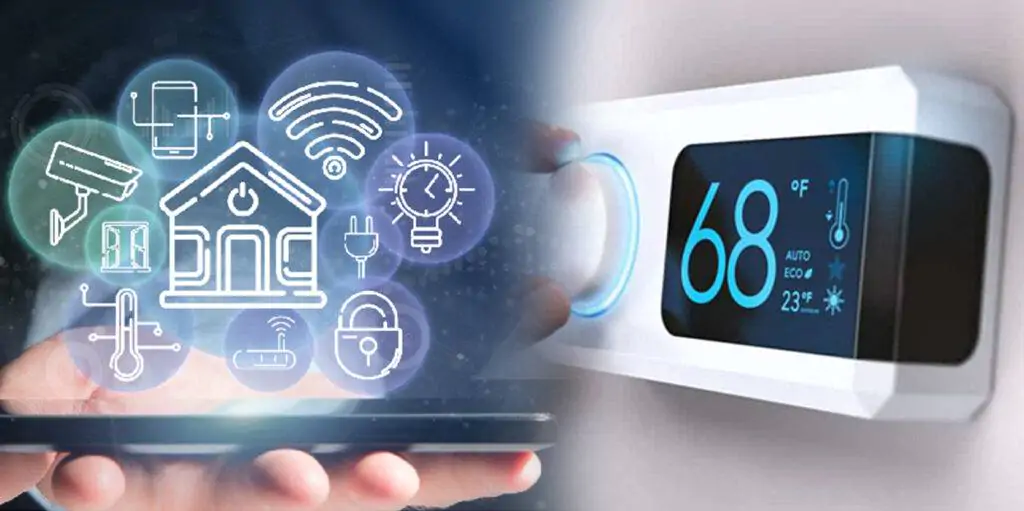
Modern technical solutions make it possible to control heating processes from a distance. Automation leads to the reduction of financial costs, which is especially important on an industrial scale. Intelligent control systems are also capable of predicting possible breakdowns and diagnosing equipment. This allows for rapid response to problems, reducing downtime and repair costs.
Another important aspect is the integration of HEV control with other devices in the home, such as a smart thermostat or smart home system. Such integrated systems are particularly useful in modern buildings where the builder offers comfortable living and reasonable energy costs.
As you can see, the realization of a wide range of tasks is offered. And small, but very important elements of such solutions are tube heaters, without which it is impossible to carry out thermal processes.
Consequences of mistakes when selecting heaters
What happens if you buy a heater by choosing average operating values? This will lead to many troubles.
1. Incorrect choice of the material of the housing and heating element leads to their premature destruction due to corrosion, overheating or mechanical impact.
2. Errors in determining the required power reduce heating efficiency or cause overconsumption of electricity.
3. Incorrect installation (fixing, electrical connections) can cause short circuits and equipment downtime.
4. Incorrect calculation of the number of heating elements per unit of equipment leads to uneven heating, overheating or underheating.
5. Errors in configuration and placement reduce the efficiency of heat transfer to the process medium.
6. Lack of automation systems leads to accidents due to overheating or phase failure of heater power supply.
Consideration of all nuances in the selection of parameters, quantity, materials and layout of heaters is critical to create workable and efficient electric heating systems. Intmax will help you to make individual calculations, determine the installation step, choose a suitable configuration of heaters.